FAA Pilot Certificates and Ratings: Every Type, Explained
First, a certificate and a rating are not the same thing
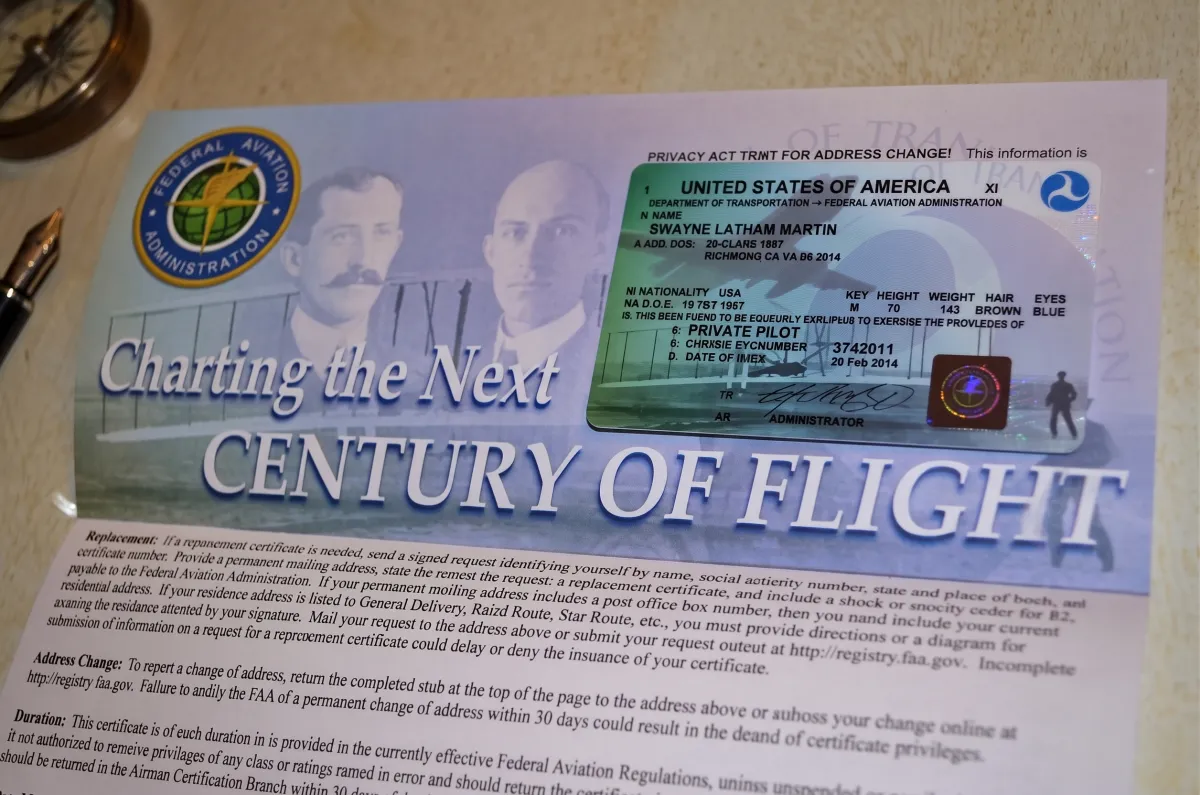
Almost everyone calls it a pilot license, but the FAA issues certificates, and the difference between a certificate and a rating is the single thing that makes the whole system click.
A certificate is the level you have reached, such as Private Pilot or Commercial Pilot. A rating is an add-on that sits on that certificate and widens what you may do, such as an Instrument rating or a Multiengine class rating. You earn one certificate and then hang ratings on it over time. Keep that picture in mind and every credential below falls into place.
The pilot certificate ladder
Powered airplane pilots climb a ladder, and each rung adds a privilege the one below it did not have. You do not have to climb every rung, but you cannot skip ahead: each certificate is a prerequisite for the next.
| Certificate | What this rung adds |
|---|---|
| Student Pilot | Train and fly solo under an instructor's endorsements, no passengers |
| Sport Pilot | Carry one passenger in a light-sport aircraft, day VFR |
| Recreational Pilot | Fly small aircraft near home in daytime, one passenger |
| Private Pilot | Carry passengers day and night and travel widely, but not for pay |
| Commercial Pilot | Be paid to fly |
| Airline Transport Pilot | Act as pilot in command of an airliner, the highest certificate |
Pilot certificates at a glance
Here is the fast comparison most people are looking for: how old you must be, what medical you need, the minimum flight time, and the core privilege of each certificate. Flight-time figures are the regulatory minimums under 14 CFR Part 61; in practice most applicants need more.
| Certificate | Min age | Medical | Min flight time | Core privilege |
|---|---|---|---|---|
| Sport Pilot | 17 | US driver's license | 20 hours | Day VFR, light-sport, one passenger |
| Recreational | 17 | Third class | 30 hours | Daytime, near home, small aircraft |
| Private Pilot | 17 | Third class or BasicMed | 40 hours | Passengers, day and night, not for hire |
| Commercial Pilot | 18 | Second class | 250 hours | Fly for compensation or hire |
| Airline Transport Pilot | 23 (21 restricted) | First class | 1,500 hours | Airline captain, highest level |
Sport, Recreational, and Private: where most pilots begin
The Sport Pilot certificate is the fastest and cheapest way into the air. It skips the FAA medical, so a valid US driver's license and self-certification are enough, and it needs the fewest hours. The trade is a narrower box: day visual conditions, one passenger, and light-sport aircraft only. Study is scoped to match with the Sport Pilot knowledge test.
The Recreational certificate is an in-between rung that few people choose today, since it costs about the same as Private but keeps many of Sport's limits. The Private Pilot certificate is the classic starting point: it opens night flight, longer trips, most single-engine airplanes, and every class of airspace, all for personal use rather than pay. It is the gateway to everything above it, and its written is the Private Pilot knowledge test.
Commercial and ATP: flying for a living
The line between flying for fun and flying for money is the Commercial Pilot certificate. It raises the standard on precision maneuvers and knowledge, requires a second-class medical, and lets you be paid to fly. Most career pilots earn it right after adding an instrument rating. Prepare with the Commercial Pilot knowledge test.
At the top sits the Airline Transport Pilot certificate, the minimum to captain an airliner. It asks for a first-class medical, 1,500 hours for the unrestricted version, and a demanding written. A restricted ATP is available from age 21 to qualifying military and degree-track pilots. Study the Airline Transport Pilot knowledge test when you reach that stage.
Ratings that expand a certificate
Once you hold a certificate, ratings widen what it can do without starting over. The big one is the Instrument rating, which lets you fly in clouds and low visibility on an IFR clearance rather than staying in visual conditions. A Multiengine class rating adds airplanes with more than one engine, and a type rating is required for large or turbojet aircraft. Ratings are added by training plus a checkride, and the Instrument rating has its own Instrument Rating knowledge test.
Teaching others: flight and ground instructor certificates
Instructors hold their own certificates. Every one of them starts with the same foundation, the Fundamentals of Instructing test, which covers how people learn rather than how airplanes fly.
- A Certified Flight Instructor holds at least a Commercial certificate and teaches flying. It adds the Flight Instructor knowledge test.
- A CFII adds instrument instruction on top, tested by the Flight Instructor Instrument knowledge test.
- A Ground Instructor teaches knowledge on the ground with no flight test at all, through the Ground Instructor knowledge test.
Flying drones for work: the Remote Pilot Certificate
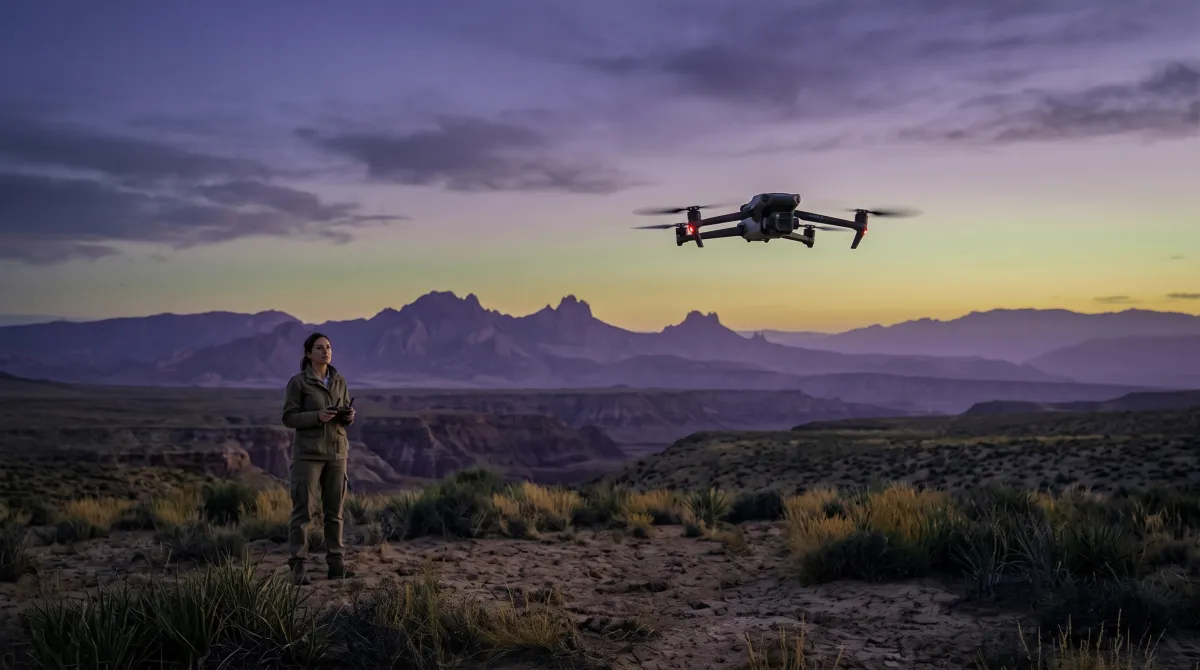
Commercial drone work runs on a completely separate credential, the Remote Pilot Certificate under Part 107. There is no flight test and no FAA medical. You must be at least 16, pass TSA security vetting, and pass one aeronautical knowledge test at a testing center. After that, free online recurrent training every 24 calendar months keeps it current. Start with the Part 107 Remote Pilot knowledge test.
Fixing aircraft: the A&P Mechanic certificate
Not every certificate is about flying. The Mechanic certificate carries Airframe and Powerplant ratings, and holding both is what pilots mean by an A&P. You qualify through documented experience, roughly 18 months per rating, or by graduating an FAA-approved Part 147 school, then pass three written tests plus an oral and practical exam.
- The shared fundamentals sit on the General knowledge test.
- Structures, systems, and rigging are on the Airframe knowledge test.
- Engines, propellers, and fuel systems are on the Powerplant knowledge test.
Which certificate should you start with?
Match the credential to the goal rather than climbing on autopilot:
- Fly for fun on a budget, close to home: start with the Sport Pilot certificate.
- Travel with family and fly at night: the Private Pilot certificate is the standard path.
- Build a career: Private, then an Instrument rating, then Commercial, then Airline Transport Pilot.
- Make money with a drone: the Part 107 Remote Pilot Certificate, no flying required.
- Teach: earn a Commercial certificate, then become a flight or ground instructor.
- Work on aircraft: pursue the A&P Mechanic certificate through experience or a Part 147 school.
Frequently asked questions
Is it a license or a certificate? Officially it is a certificate, issued by the FAA. License is the everyday word for the same thing, so the two are used interchangeably.
Do pilot certificates expire? The certificate itself does not expire, but the privileges depend on staying current: a valid medical where one is required, a flight review every 24 calendar months, and recent takeoffs and landings to carry passengers.
Do you need a college degree? No. No FAA certificate requires a degree. Some airlines prefer one, and a degree can unlock the restricted ATP at a lower hour count, but it is never a certification requirement.
What comes first, the written or the flying? You can take most knowledge tests before you finish training, and passing the written early is a common way to lock in momentum. Each exam page above is scoped to that specific test so you only drill what shows up on it.